Tungsolid®
Next-Generation Solid Lubricant System
Patented, innovative solid lubrication technology that minimizes friction and power loss to the extreme.
Learn More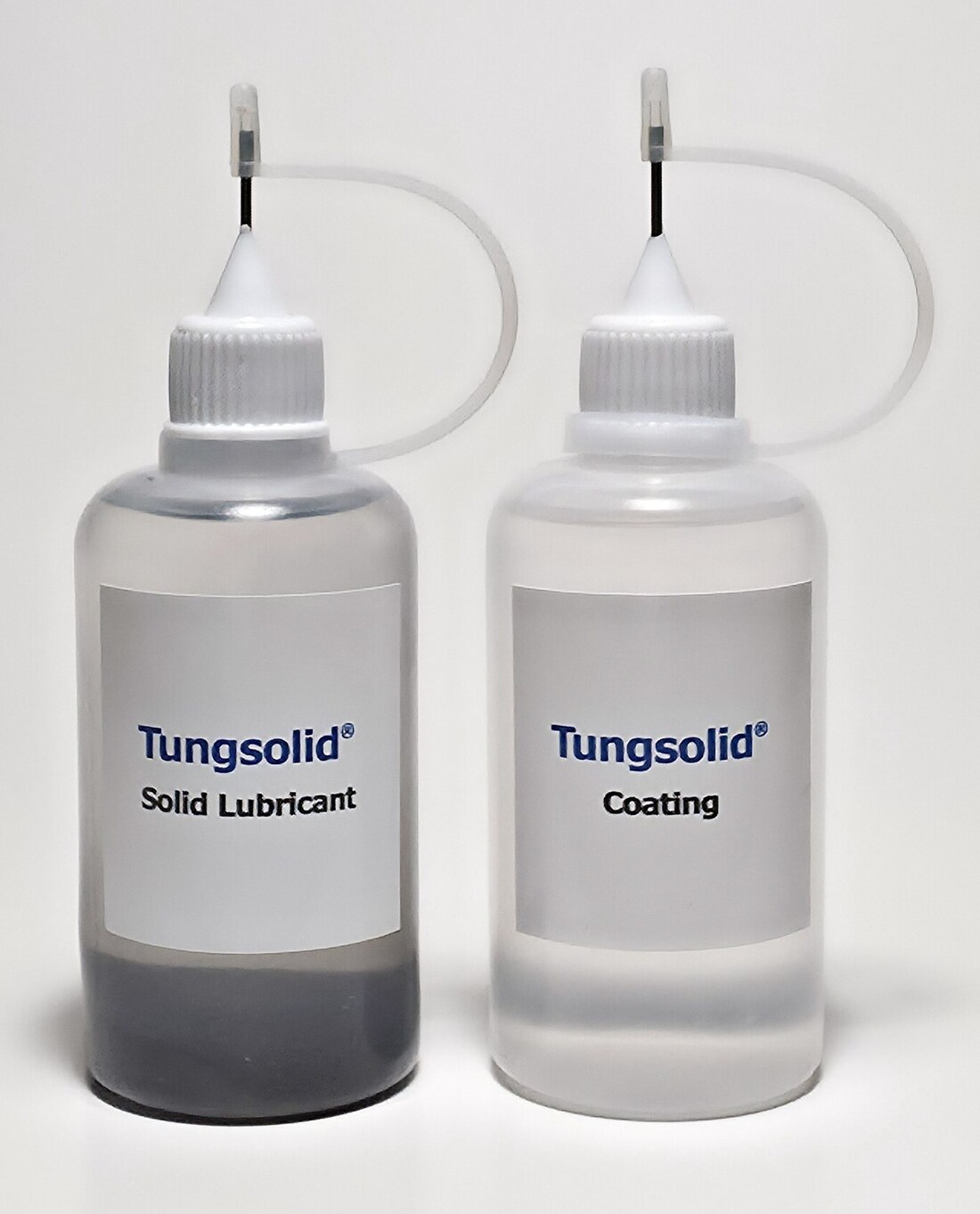
For cycle racing enthusiasts and cyclists around the world
Principles & Advantages of Solid Lubrication
Why Choose Tungsolid®
Ultra-Low Coefficient of Friction
Nano-scale layered structure of tungsten disulfide achieves lower friction than conventional oil lubricants. Dynamic friction coefficient: 0.03. Static friction coefficient: 0.07–0.09. Prevents metal-to-metal contact, reducing component wear.
Wide Range of Use
Applicable to all metal sliding components on bicycles, motorcycles, and more — chains, bearings, freewheel ratchets, and beyond.
Extreme Load Capacity
Withstands surface pressure up to approximately 2,000 MPa (300,000 psi), preventing metal-to-metal contact.
Environmental Resistance
Stable performance in air from -270°C to 450°C.
Clean
Inert, non-toxic, zero oil stains. Does not attract dust or debris.
Long Life
Exceptional durability thanks to extreme load capacity, environmental resistance, and inertness. Lasts over 1,000 km on bicycle chains with virtually no cleaning required.
Product
Tungsolid® for Bicycles and Motorcycles
Application Guide
By Scenario
Step 1: Clean the Chain
Thoroughly clean using an ultrasonic cleaner, degreaser, or neutral detergent.
Step 2: Apply Tungsolid®
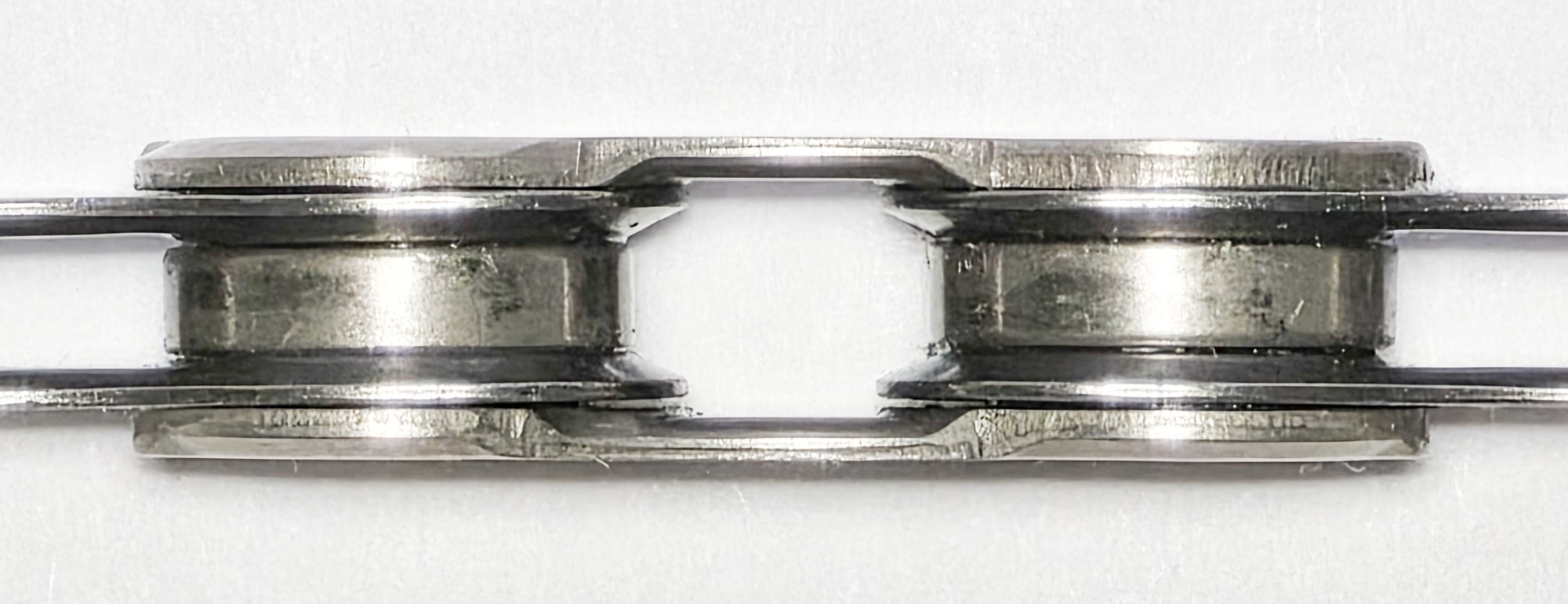
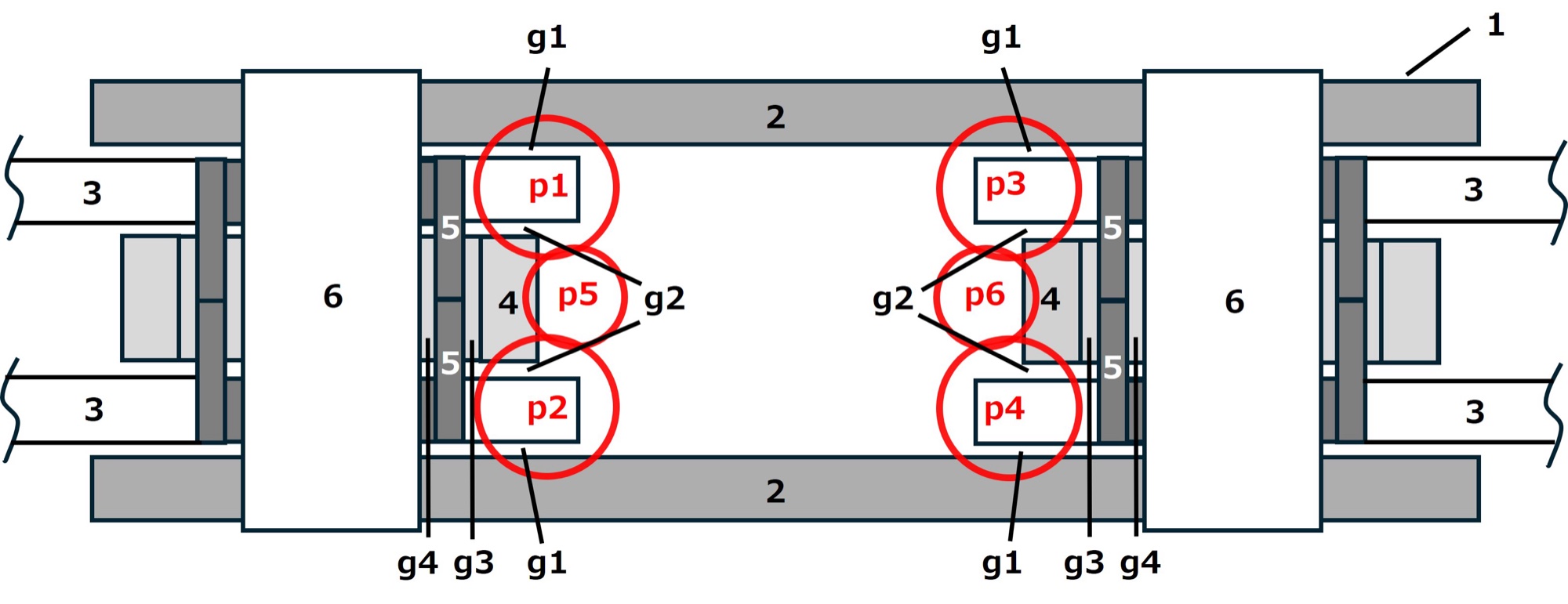
Shake the Tungsolid® needle dropper bottle well, then apply to injection points p1–p4 on the chain and rollers p5, p6. Repeat for every link.
Step 3: Coat with Silicone Oil
Apply the included silicone oil to injection points p1–p4 on the chain and to rollers p5, p6 to coat them. Using a cloth with a small amount of silicone oil, coat all surfaces of the chain — sides, top, and bottom — as well as all surfaces of the rollers.
Step 1: Clean and Dry the Chainring and Sprockets
Clean thoroughly with a degreaser or neutral detergent, then let dry completely.
Step 2: Apply Tungsolid®
Shake the Tungsolid® needle dropper bottle well, then apply to the areas marked in red on the chainring / sprocket tooth diagram.
Step 3: Coat with Silicone Oil
Wait a few minutes for the Tungsolid® to dry, then apply the included silicone oil to the areas marked in red on the tooth diagram to coat them.
Tungsolid® application area
Chainring / sprocket tooth diagram
Step 1: Clean the Bearings
Thoroughly clean using a degreaser or neutral detergent.
Step 2: Apply Tungsolid®
Shake the Tungsolid® needle dropper bottle well, then apply to each bearing ball individually. Also apply to the bearing race and bearing cup.
Step 3: Coat with Silicone Oil if Necessary
If water may penetrate the bearing, apply the included silicone oil as needed to coat it.
Step 1: Clean the Ratchet
Thoroughly clean using a degreaser or neutral detergent.
Step 2: Apply Tungsolid®
Shake the Tungsolid® needle dropper bottle well. For pawl-type ratchets, apply to both the pawl and sliding surfaces. For face-contact ratchets, apply to both contact surfaces.
Step 3: Coat with Silicone Oil if Necessary
If water may penetrate the freewheel ratchet, apply the included silicone oil as needed to coat it.
Patent Licensing
For Businesses & Partners
If your company is interested in product development or licensing agreements using Tungsolid®'s patented technology, please contact us via the form below.
Tungsolid® Patent Licensing Request Form: https://forms.gle/jkuABE9FtY97RnEz7